Reward Ecosystems and Their Effects on Choices in Regulated Online Gaming Environments
Taylor Koch · Jul 31, 2026

Reward Ecosystems and Their Effects on Choices in Regulated Online Gaming Environments
Regulated online gaming platforms have developed structured loyalty point ecosystems that track player activity across games, sessions, and deposit patterns while converting those metrics into redeemable rewards or status levels. These systems operate under licensing requirements that mandate transparency in point valuation and redemption rules, which shapes how participants allocate their time and funds within each platform. Data from multiple jurisdictions shows that players often select games or extend sessions based on the rate at which points accumulate toward specific tiers or cashback thresholds.
Mechanics of Point Accumulation and Redemption
Operators assign points according to wager volume, game type, and sometimes deposit frequency, with formulas that differ between slot machines, table games, and live dealer offerings. In July 2026 several North American and European regulators required operators to publish exact conversion rates between points and monetary value so users could compare offers across licensed sites. Redemption options typically include bonus credits, merchandise, event access, or direct cash equivalents, each carrying its own wagering or time-based restrictions that further influence subsequent decisions.
Studies conducted by research institutions in Australia and Canada indicate that higher-tier participants adjust their game selection toward titles that deliver faster point accrual, even when those titles carry different house edges than their usual preferences. The presence of expiration dates on unredeemed points also prompts users to increase activity near the end of qualifying periods rather than spreading play evenly throughout the year.
Impact on Platform Selection and Session Behavior
Users compare loyalty programs when choosing between multiple licensed operators, weighing the speed of tier advancement against the quality of rewards offered at each level. Reports compiled by the New Jersey Division of Gaming Enforcement and similar bodies in other states document shifts in player migration patterns coinciding with changes to point earning rates or redemption catalogs. These shifts occur because participants treat accumulated status as a form of sunk investment that encourages continued engagement with one platform over competitors.
Session length tends to increase once players approach the next tier threshold, a pattern observed in both casino-style games and esports betting environments operating under regulatory oversight. Operators publish real-time progress trackers that display remaining activity needed for advancement, which functions as a continuous prompt for additional play within the same login period.
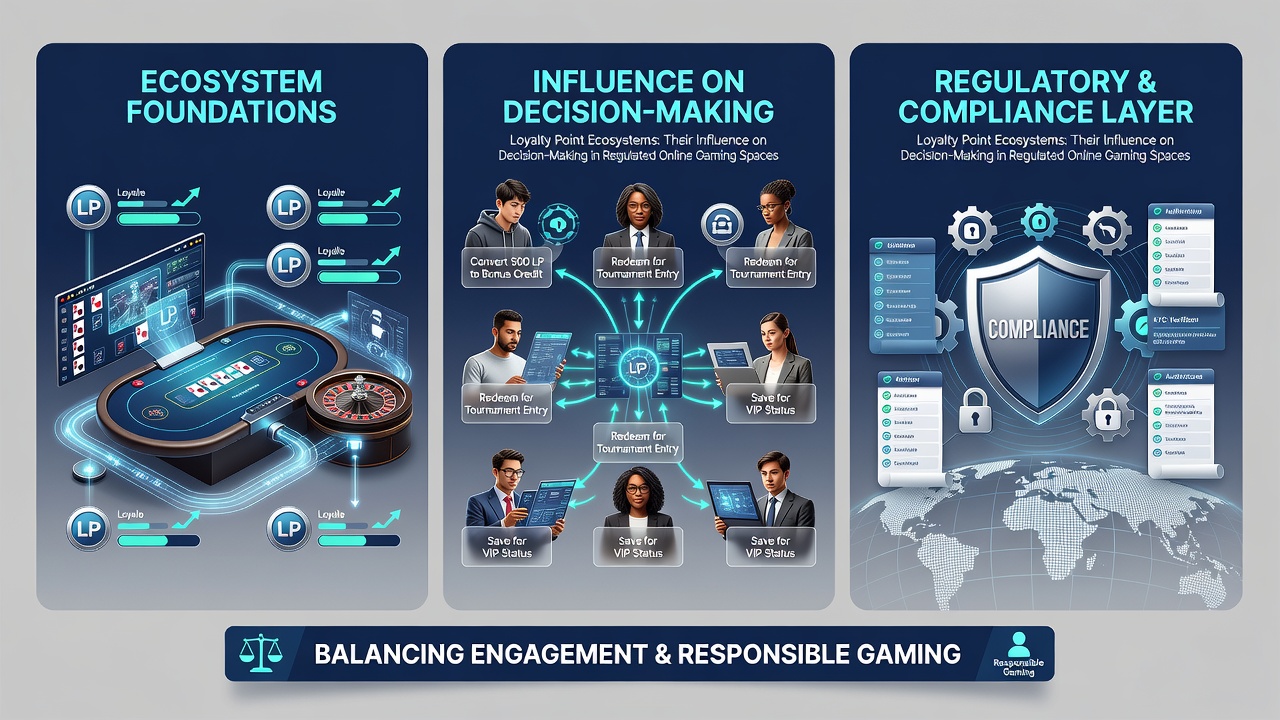
Regulatory Oversight and Transparency Requirements
Licensing authorities in multiple regions mandate that point values remain consistent within defined periods and that any modifications receive advance notice to players. The Australian Communications and Media Authority has required operators to maintain public logs of point issuance and redemption volumes so that aggregate data can be reviewed for patterns that might indicate excessive engagement. Similar provisions appear in frameworks used by provincial regulators in Canada, where annual compliance audits examine whether loyalty mechanics comply with responsible gambling standards.
These rules limit the ability of operators to create opaque or rapidly changing reward structures, yet still permit enough flexibility for programs to adapt to seasonal events or new game releases. Participants therefore base decisions on published rules rather than on promotional language that might change without warning.
Cross-Platform Comparisons and Player Migration
Third-party comparison tools now aggregate loyalty program details from different licensed jurisdictions, allowing users to evaluate earning efficiency alongside regulatory protections such as dispute resolution processes and fund segregation requirements. Research from academic centers focused on gambling behavior shows that players who maintain accounts across several platforms often concentrate activity on the site where their current tier status offers the highest immediate return. This concentration occurs because switching platforms resets progress and eliminates the advantage of accumulated points.
July 2026 saw the introduction of standardized reporting templates in two additional U.S. states that require operators to disclose the percentage of total wagers converted into loyalty rewards, giving regulators and researchers clearer data on how these ecosystems distribute value back to participants.
Conclusion
Loyalty point ecosystems function as structured incentive layers that operate within the constraints of regulated online gaming, directly affecting how participants choose platforms, select games, and determine session duration. Published rules, redemption mechanics, and tier progression thresholds create measurable patterns in user behavior across jurisdictions that maintain active oversight. Continued collection of standardized data by regulatory bodies supports ongoing analysis of these systems and their role in shaping decisions within licensed environments.