Prediction Market Firms Boost Lobbying Outlays in Early 2026 as Oversight Questions Intensify
Kai Lehmann · Jul 29, 2026
Prediction Market Firms Boost Lobbying Outlays in Early 2026 as Oversight Questions Intensify
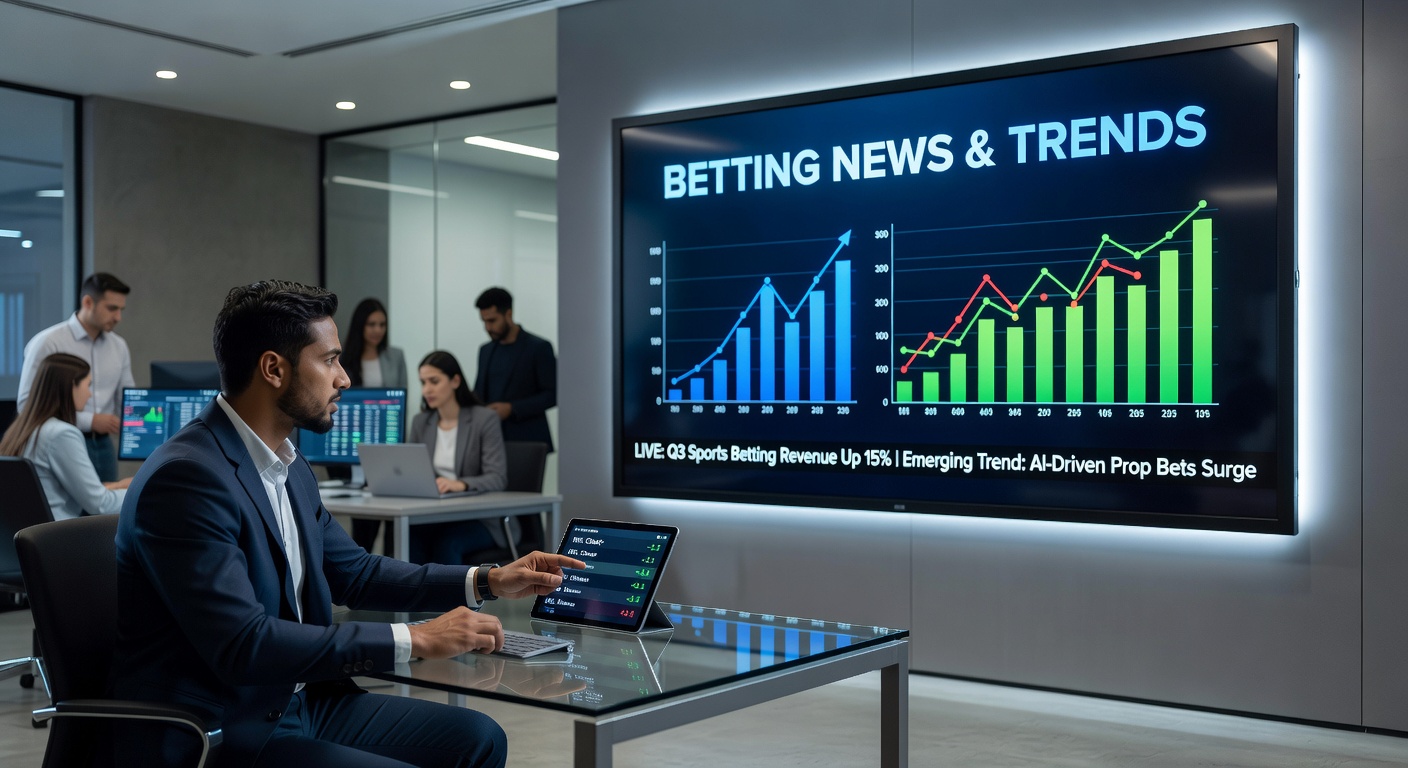
Kalshi, identified as the largest U.S. prediction market platform, directed $990,000 toward direct lobbying during the first half of 2026, a figure that nearly equals the company's entire lobbying expenditure for all of 2025. When spending through outside firms receives inclusion, the total reaches nearly $1.8 million for the same six-month period. These numbers appear in first-half 2026 lobbying disclosure reports filed with federal authorities. teh outlays coincide with heightened congressional and regulatory attention directed at prediction markets and sports betting activities.
Context of Rising Expenditures
Observers note that Kalshi's increased commitments reflect broader industry responses to questions surrounding event contracts and potential insider trading concerns. Polymarket, a direct competitor, has similarly expanded its own lobbying presence in recent months, while the American Gaming Association has stepped up efforts on behalf of its members. Data from the same disclosure period shows multiple organizations allocating additional resources to engage lawmakers and agency staff on these topics. The timing aligns with ongoing reviews of how event contracts operate under existing frameworks.
Key Issues Under Examination
Regulators and members of Congress have focused on two primary areas during 2026 discussions. One centers on safeguards against insider trading within prediction market environments, and the other addresses the classification and oversight of event contracts that reference sports outcomes or other real-world occurrences. Officials have requested additional information from platform operators regarding compliance procedures and market integrity measures. Industry participants have responded by providing documentation and participating in scheduled briefings.
Figures reveal that total lobbying activity across prediction market platforms and related trade groups has grown compared with prior periods. Kalshi's direct spending alone demonstrates a near doubling of pace relative to the previous calendar year, while combined figures that incorporate retained counsel push the aggregate higher still. These developments occur as federal agencies continue to evaluate whether current rules sufficiently address emerging product structures.
Industry-Wide Patterns
Multiple entities have followed similar trajectories in their government affairs strategies. Polymarket has retained additional representation in Washington, and the American Gaming Association has coordinated joint communications on behalf of sports betting and gaming interests. Records indicate that these organizations have scheduled meetings with both legislative offices and regulatory personnel throughout the spring and early summer of 2026. The pattern suggests coordinated attention to proposed clarifications around event contract definitions.
According to the disclosure filings, Kalshi concentrated its direct lobbying on matters tied to the Commodity Futures Trading Commission and related congressional committees. Outside firms supplemented these contacts by engaging additional stakeholders. The combined approach allowed the platform to address technical questions while maintaining a steady flow of information to decision-makers. Similar tactics appear in filings submitted by competing platforms.
Regulatory Timeline
Activity in July 2026 has included further submissions to oversight bodies as lawmakers prepare for potential hearings. Staff members from relevant committees have received briefings that outline how prediction markets currently operate and what compliance steps platforms already undertake. These sessions build on earlier exchanges that took place during the first quarter of the year. Participants from both industry and government have exchanged data sets that detail trading volumes and user demographics.
Evidence from the lobbying reports shows that spending categories include personnel time, travel, and consultant fees. Kalshi's total of nearly $1.8 million encompasses both in-house efforts and payments to external advisors. The breakdown matches patterns observed in other financial technology sectors that face evolving regulatory expectations. No single expenditure item dominates the filings, indicating a diversified approach to outreach.
Conclusion
Disclosure documents covering the first half of 2026 document increased lobbying activity by Kalshi, Polymarket, and affiliated industry organizations. The reported figures for Kalshi stand at $990,000 in direct spending and nearly $1.8 million when outside support receives inclusion. These outlays occur against a backdrop of congressional and agency review focused on insider trading protections and event contract oversight. Additional filings and meetings continue into the summer months as participants respond to information requests. The situation remains dynamic as regulatory processes move forward.