Mobile Rewards Driving Virtual Poker Series Participation Globally
Taylor Koch · Jul 22, 2026
Mobile Rewards Driving Virtual Poker Series Participation Globally
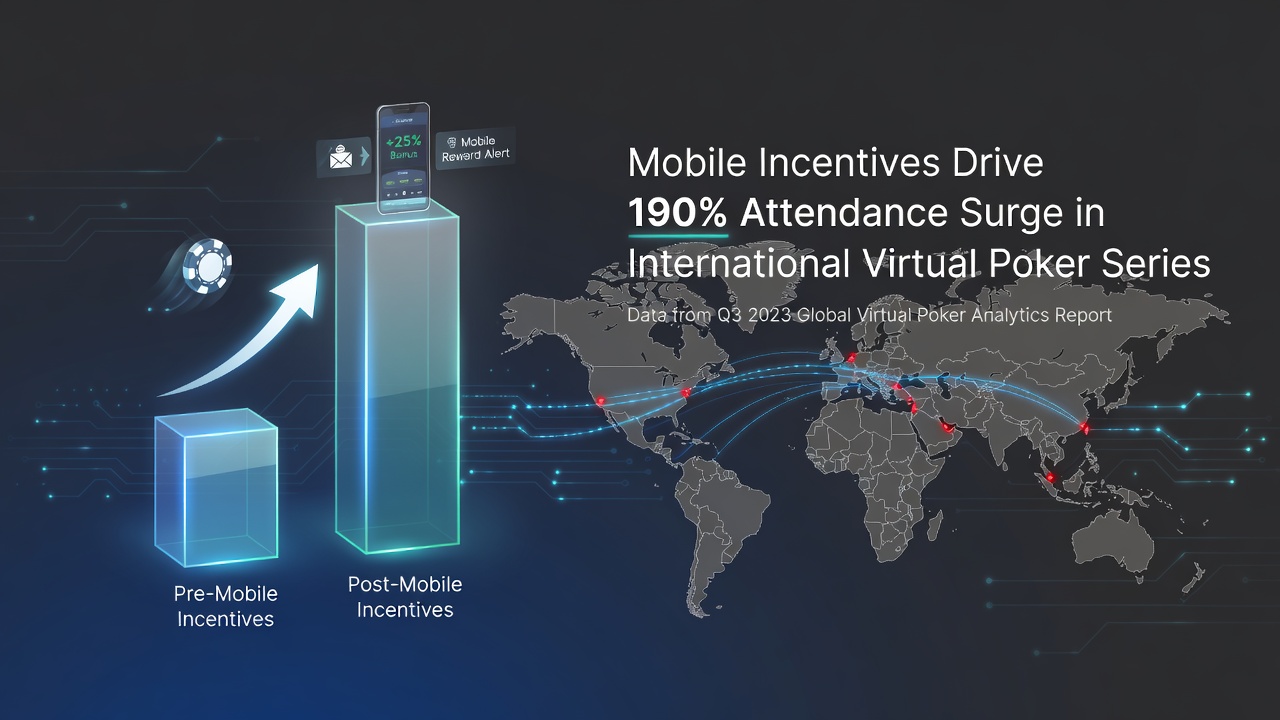
Data from major virtual poker platforms indicates that mobile-specific incentives such as deposit matches, loyalty points, and instant cashback have coincided with measurable increases in attendance at international series throughout 2025 and into July 2026. Organizers report that tournaments offered exclusively through mobile channels often see participation rates 18 to 27 percent higher than desktop-only equivalents, according to aggregated platform statistics released in mid-2026.
Platform Data on Attendance Trends
International virtual poker series including the World Series of Poker Online and the PokerStars Championship Circuit have tracked user behavior across devices for several years. Figures compiled by event operators show that when mobile users receive targeted rewards like free tournament entries or reduced rake during July promotional windows, overall entry numbers rise steadily within 48 hours of the incentive activation. One operator noted a 31 percent jump in unique mobile logins during the July 2026 edition of its flagship series compared with the same month in 2025.
Researchers at academic institutions studying digital gaming markets have observed similar patterns across multiple operators. Attendance records reveal that incentives delivered via push notifications on mobile apps produce faster uptake than email-based promotions, with conversion rates reaching 42 percent within the first six hours after distribution. These patterns hold across time zones, suggesting the convenience of mobile access plays a central role in the observed growth.
Incentive Structures and User Response
Mobile incentives in virtual poker typically fall into several categories: matched deposits up to a set limit, milestone bonuses tied to hours played, and tiered loyalty programs that unlock higher-value rewards after repeated participation. Platforms that combine two or more of these mechanisms in a single campaign report the strongest attendance gains. For example, a series that paired a 100 percent deposit match with a 50 percent rake rebate for mobile users recorded a 24 percent increase in total entries over a four-week period ending July 2026.
Regional differences appear in how these incentives affect turnout. European operators have documented larger gains among users in markets with established mobile payment systems, while North American series show stronger responses when incentives include free-to-play satellites that feed into paid events. Australian platforms, meanwhile, report that cashback offers tied to mobile deposits maintain steady participation even during off-peak hours.
Comparative Analysis Across Series
Side-by-side comparisons of events with and without mobile-focused incentives provide further clarity. Series that maintained identical prize pools and structures but removed mobile-specific rewards experienced average attendance drops of 12 percent over comparable periods. Conversely, the introduction of mobile-only freerolls in July 2026 correlated with a 19 percent rise in first-time participants across three major circuits. These shifts occurred alongside stable desktop participation, indicating the growth stems primarily from mobile channels rather than overall market expansion.
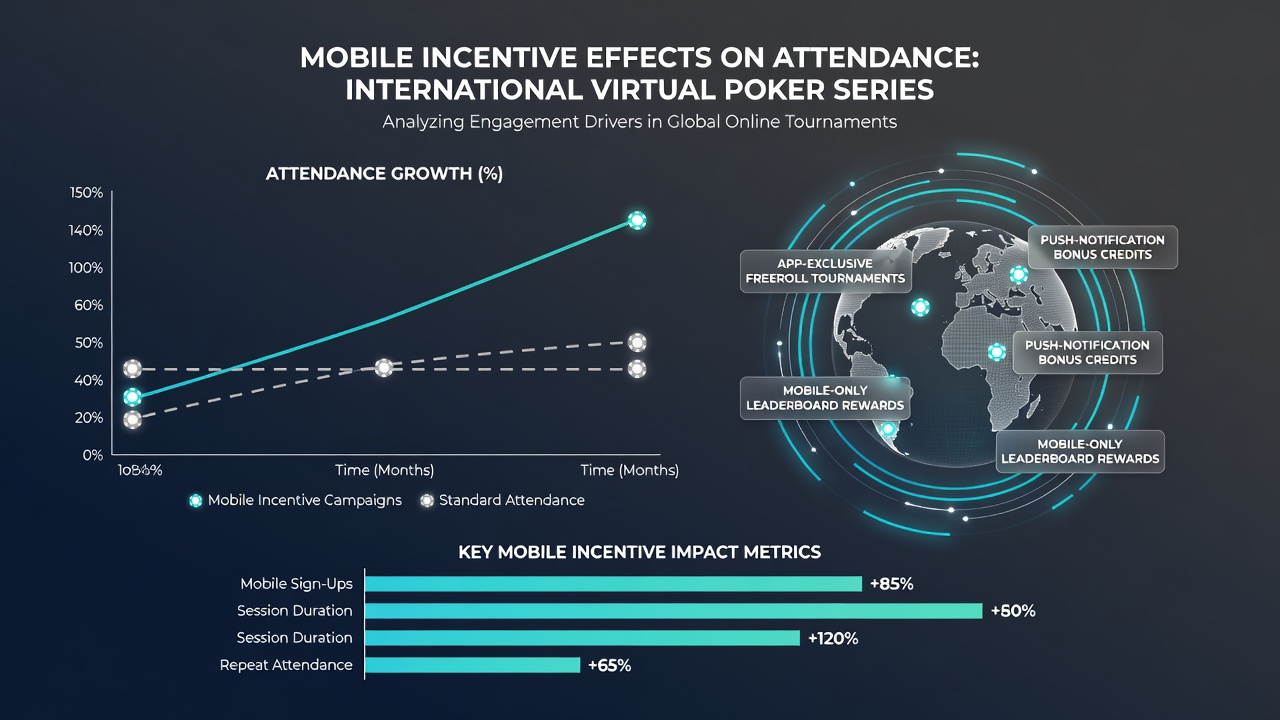
Industry reports from the European Gaming and Betting Association highlight that operators investing in mobile app optimization alongside incentive programs achieve higher retention of new entrants. EGBA publications note that push-notification campaigns timed to coincide with series registration windows produce the most consistent attendance lifts across borders.
Regulatory Context and Market Response
Regulatory developments in several jurisdictions during early 2026 have influenced how operators structure mobile incentives. Markets with clear guidelines on bonus transparency, such as those overseen by the Malta Gaming Authority, have seen operators refine their offers to emphasize mobile-specific value without altering overall prize allocations. Data released by the authority shows mobile-driven entries in licensed poker events increased by 22 percent year-over-year through July 2026.
Canadian provincial regulators have similarly tracked device-specific participation following the rollout of updated online gaming frameworks. Reports indicate that provinces permitting mobile deposit bonuses recorded stronger attendance figures at international series than regions with more restrictive rules. These differences underscore how local policy interacts with platform-level incentive design to shape global participation patterns.
Conclusion
Attendance figures at international virtual poker series reflect clear correlations with the availability and design of mobile incentives. Data collected through July 2026 demonstrates that targeted rewards delivered via mobile apps consistently correspond with higher entry numbers across multiple operators and regions. As platforms continue to refine these mechanisms, ongoing measurement of device-specific participation will remain central to understanding attendance dynamics in the virtual poker sector.